What Are the Best Dance Schools in England?
England has one of the richest dance education landscapes in the world. From full-time vocational conservatoires that train the next generation of professional dancers to community academies that develop skills and confidence from a young age, the variety and standard of training is exceptional.
This guide explores some of the most respected dance schools and academies across England. It also helps parents understand what to look for in a good school, the types of qualifications available, and how Artists in Motion School of Dance fits into this thriving national picture.
The Landscape of Dance Training in England
Dance in England broadly falls into two pathways:
- Full-Time Vocational Schools – These are specialist institutions where students study dance alongside academic subjects, often from the age of 11 through to higher education. Many are funded through national schemes such as the Music and Dance Scheme (MDS) or the Dance and Drama Awards (DaDA).
- Part-Time Schools and Academies – These operate in local communities and offer classes for children, teens, and adults. They range from small independent schools to national franchises. Many follow recognised exam syllabi such as RAD (Royal Academy of Dance), ISTD (Imperial Society of Teachers of Dancing), IDTA (International Dance Teachers’ Association), or Acrobatic Arts.
Both play a vital role in shaping dancers’ skills and confidence. Full-time training develops elite professionals, while part-time academies build the foundations — and for many students, provide a lifelong love of dance.
The Royal Ballet School (London & Richmond)
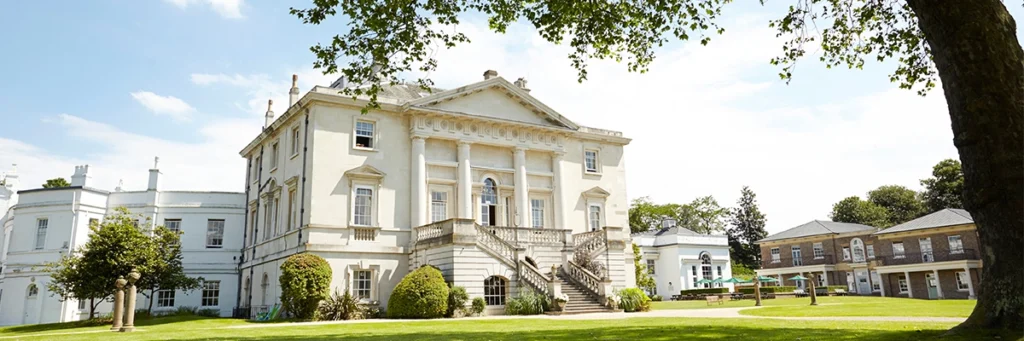
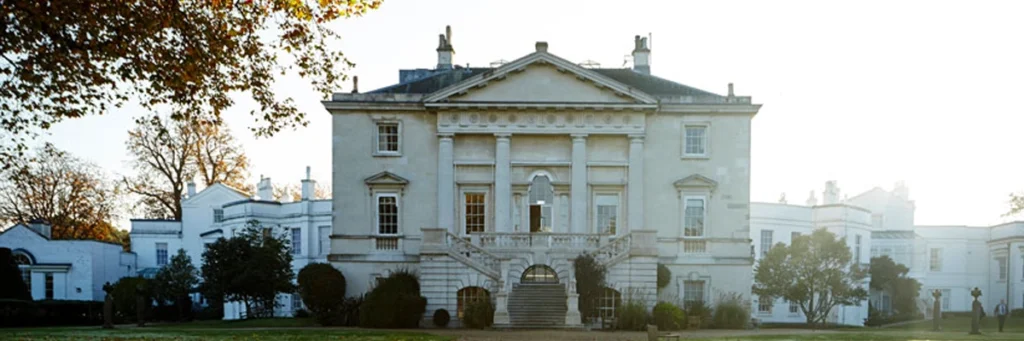
Founded in 1926, The Royal Ballet School is the pinnacle of classical ballet training in the UK. It offers full-time education for students aged 11 to 19 across its two sites: White Lodge in Richmond Park for younger pupils and the Upper School in Covent Garden for advanced students.
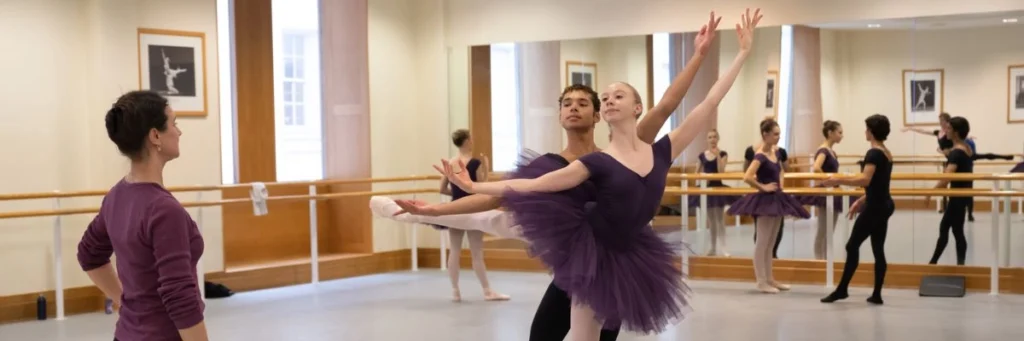
Students train in a rigorous classical syllabus complemented by academic studies, with many going on to join The Royal Ballet and Birmingham Royal Ballet. The school receives government support through the Music and Dance Scheme, ensuring talented students can train regardless of financial background.
Specialisms: Classical Ballet, Pointe Work, Pas de Deux, Contemporary.
Ages: 11–19.
Funding: MDS.
Website: royalballetschool.org.uk
Elmhurst Ballet School (Birmingham)
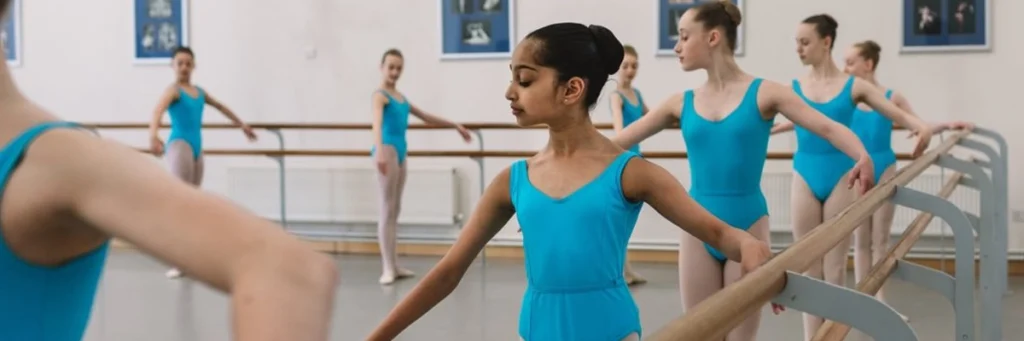
Elmhurst, in association with Birmingham Royal Ballet, combines academic education with elite vocational dance training. Students aged 11–19 live and study on a purpose-built campus with state-of-the-art studios and performance spaces.
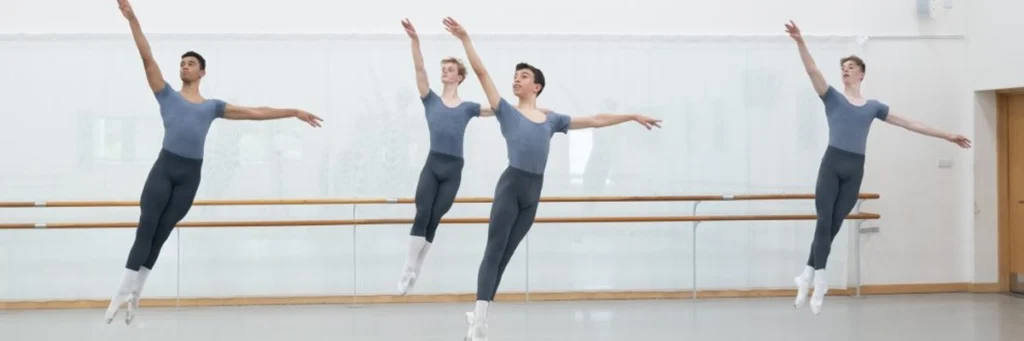
Elmhurst’s focus is on developing strong classical technique, artistry, and discipline, preparing students for professional careers worldwide. Many graduates progress directly into leading ballet companies.
Specialisms: Classical Ballet, Contemporary, Choreography.
Ages: 11–19.
Funding: MDS.
Website: elmhurstballetschool.org
English National Ballet School (London)
Affiliated with the English National Ballet company, ENBS delivers a three-year vocational training programme for dancers aged 16–19. It blends intensive ballet training with contemporary and performance practice, giving students a strong professional foundation.
ENBS is renowned for producing versatile, expressive dancers who move seamlessly between classical and modern works.
Specialisms: Ballet, Contemporary, Partnering.
Ages: 16–19.
Funding: Scholarships and bursaries available.
Website: enbschool.org.uk
Tring Park School for the Performing Arts (Hertfordshire)
Tring Park combines academic education with full-time performing arts training. Its dance department offers routes in classical ballet and commercial dance, while the sixth form provides focused professional courses in Dance and Musical Theatre.
It’s part of the Music and Dance Scheme, allowing gifted young dancers to access training through government funding.
Specialisms: Ballet, Jazz, Musical Theatre.
Ages: 8–19.
Funding: MDS & DaDA.
Website: tringpark.com
The Hammond (Chester)
One of the North’s leading performing arts schools, The Hammond provides both academic education and specialist dance training. Its boarding environment caters to students from across the country, and its graduates progress into both ballet and West End careers.
Specialisms: Ballet, Contemporary, Musical Theatre.
Ages: 11–19.
Funding: MDS & DaDA.
Website: thehammond.co.uk
Central School of Ballet (London)
Central offers a Foundation Degree in Professional Dance and Performance, with a BA top-up option. It’s known for combining classical training with modern versatility and for its touring company, Ballet Central, which gives students invaluable stage experience.
Specialisms: Classical Ballet, Contemporary, Performance.
Ages: 16+.
Funding: DaDA & scholarships.
Website: centralschoolofballet.co.uk
Rambert School (Twickenham)
Rambert School sits at the intersection of ballet and contemporary dance. Its degree programmes, validated by the University of Kent, nurture creative, technical, and performance excellence. Many graduates join Rambert Dance Company or other leading ensembles.
Specialisms: Ballet, Contemporary, Choreography.
Ages: 16+.
Funding: DaDA & scholarships.
Website: rambertschool.org.uk
Northern School of Contemporary Dance (Leeds)
A conservatoire dedicated entirely to contemporary dance, NSCD is part of the Conservatoire for Dance and Drama. It offers BA and postgraduate courses in Contemporary Dance and Choreography, producing highly employable, innovative artists.
Specialisms: Contemporary, Improvisation, Choreography.
Ages: 18+.
Funding: DaDA.
Website: nscd.ac.uk
England’s Leading Musical Theatre & Triple-Threat Conservatoires
Urdang (London)
Now part of City, University of London, Urdang delivers BA programmes in Professional Dance and Musical Theatre. It’s highly respected for balancing academic rigour with industry-ready performance training.
Specialisms: Jazz, Commercial, Musical Theatre.
Funding: DaDA.
Website: theurdang.london
ArtsEd (London)
ArtsEd’s Musical Theatre BA and Foundation courses are recognised across the West End for producing triple-threat performers. Training combines singing, acting, and dance with strong industry partnerships.
Specialisms: Musical Theatre, Acting, Jazz.
Funding: DaDA.
Website: artsed.co.uk
Bird College (Sidcup)
Bird College offers professional training in Dance and Musical Theatre and is renowned for its dynamic and commercial edge. Students can achieve ISTD teaching qualifications alongside performance training.
Specialisms: Jazz, Ballet, Contemporary, Musical Theatre.
Funding: DaDA.
Website: birdcollege.co.uk
Performers College (Essex & Birmingham)
With campuses in Essex and Birmingham, Performers College delivers BA and diploma routes in Musical Theatre and Dance. It has strong links to the performing arts industry and produces highly versatile graduates.
Specialisms: Commercial, Jazz, Musical Theatre.
Funding: DaDA.
Website: performerscollege.co.uk
Laine Theatre Arts (Epsom)
One of England’s most established names, Laine Theatre Arts offers BA and diploma courses in Musical Theatre and Dance. Known for its discipline, excellence, and performance standards, it’s a regular pipeline to the West End.
Specialisms: Ballet, Jazz, Musical Theatre.
Funding: DaDA.
Website: lainetheatrearts.co.uk
England’s Top Part-Time Dance Schools and Academies
Stagecoach Performing Arts
With more than 300 schools nationwide, Stagecoach is the UK’s largest part-time network for dance, acting, and singing. It offers weekly and holiday programmes for children aged 4–18.
Specialisms: Performing Arts (Dance, Acting, Singing).
Syllabus: Internal, performance-based.
Website: stagecoach.co.uk
Razzamataz Theatre Schools
Razzamataz offers weekend classes in dance, drama, and singing across the UK. It blends fun learning with confidence-building, focusing on creativity, teamwork, and performance.
Specialisms: Street, Pop, Musical Theatre.
Syllabus: ISTD & bespoke performance work.
Website: razzamataz.co.uk
Dakoda’s Dance Academy (London)
An independent performing arts school offering ballet, tap, street, and acro for ages 1–18. Known for professional teachers and a strong community ethos.
Specialisms: Ballet, Street, Acro, Jazz.
Syllabus: RAD & Acrobatic Arts.
Website: dakodas.co.uk
SA Dance (Ealing)
SA Dance provides classes from age 3 through adult in Ballet, Jazz, Tap, and Contemporary. It also runs a Pre-Professional Programme for advanced students.
Specialisms: Ballet, Contemporary, Tap.
Syllabus: RAD & ISTD.
Website: sa-dance.co.uk
Adore Dance London
A vibrant East London school offering PeeWee Ballet, Acro, Contemporary, and Street. Classes are inclusive, encouraging both fun and technique.
Specialisms: Ballet, Street, Acro.
Syllabus: IDTA & Acrobatic Arts.
Website: adoredance.london
Recognised Exam Boards and Syllabi
Parents should always look for dance schools affiliated with recognised examining bodies. These organisations set structured syllabi and ensure safe, consistent progress:
- RAD (Royal Academy of Dance) – Global ballet syllabus focusing on technique and artistry.
- ISTD (Imperial Society of Teachers of Dancing) – Offers Tap, Modern, Ballet, and Jazz syllabi.
- IDTA (International Dance Teachers’ Association) – Covers a wide range of styles including Ballroom and Street.
- Acrobatic Arts – Structured acro training focusing on flexibility, balance, and strength.
- PBT (Progressing Ballet Technique) – Supplementary training system improving core and alignment.
Schools using these syllabi demonstrate professional standards, progression routes, and teacher accreditation.
How to Choose the Right Dance School
Choosing the right dance school is about finding the right environment for growth, not just prestige. When evaluating options, consider:
- Safety and safeguarding – DBS-checked staff and safeguarding policies.
- Qualified teachers – Look for RAD or ISTD-qualified instructors.
- Facilities – Proper dance flooring, mirrors, and changing areas.
- Style range – Does the school offer the style your child enjoys most?
- Class sizes – Smaller classes allow for more individual attention.
- Progression routes – Are there pathways to exams, performances, or advanced training?
- Performance opportunities – Shows, competitions, and showcases develop confidence.
- Community and culture – A positive, encouraging atmosphere is vital.
- Transparency – Clear pricing, terms, and communication.
A great dance school is one where students feel inspired, safe, and supported to reach their full potential.
Looking for Dance Classes in Kent?
If you’re based in Kent and searching for a school that ticks all the boxes above, Artists in Motion could be exactly what you’re looking for.
Classes run across Aylesham and Canterbury for children from 18 months through to adults. Come and try a session, no experience needed, no commitment required.
Book a Free Trial →
Dance Education in the South East
Kent has a growing performing arts community, and families across the county have access to high-quality dance training without needing to travel to London.
For children in villages, market towns, and coastal communities, local academies play a vital role. They provide the structured training, qualified teaching, and performance opportunities that would otherwise require a long commute or full time residential study.
The South East also benefits from its proximity to London’s professional scene. Students who progress through local academies in Kent are well placed to audition for higher education conservatoires and professional companies when the time comes.
For parents, the priority is usually finding a school that feels safe, welcoming, and genuinely nurturing — somewhere their child will thrive, not just train.
Where Artists in Motion Fits In
Artists in Motion School of Dance is based in Kent, with studios in Aylesham and classes serving families across Canterbury and the wider area.
The school combines the professional standards you’d expect from a recognised academy with the warmth and community spirit of a genuinely local school. It’s the kind of place where children feel comfortable from their very first class.
What AIM Offers
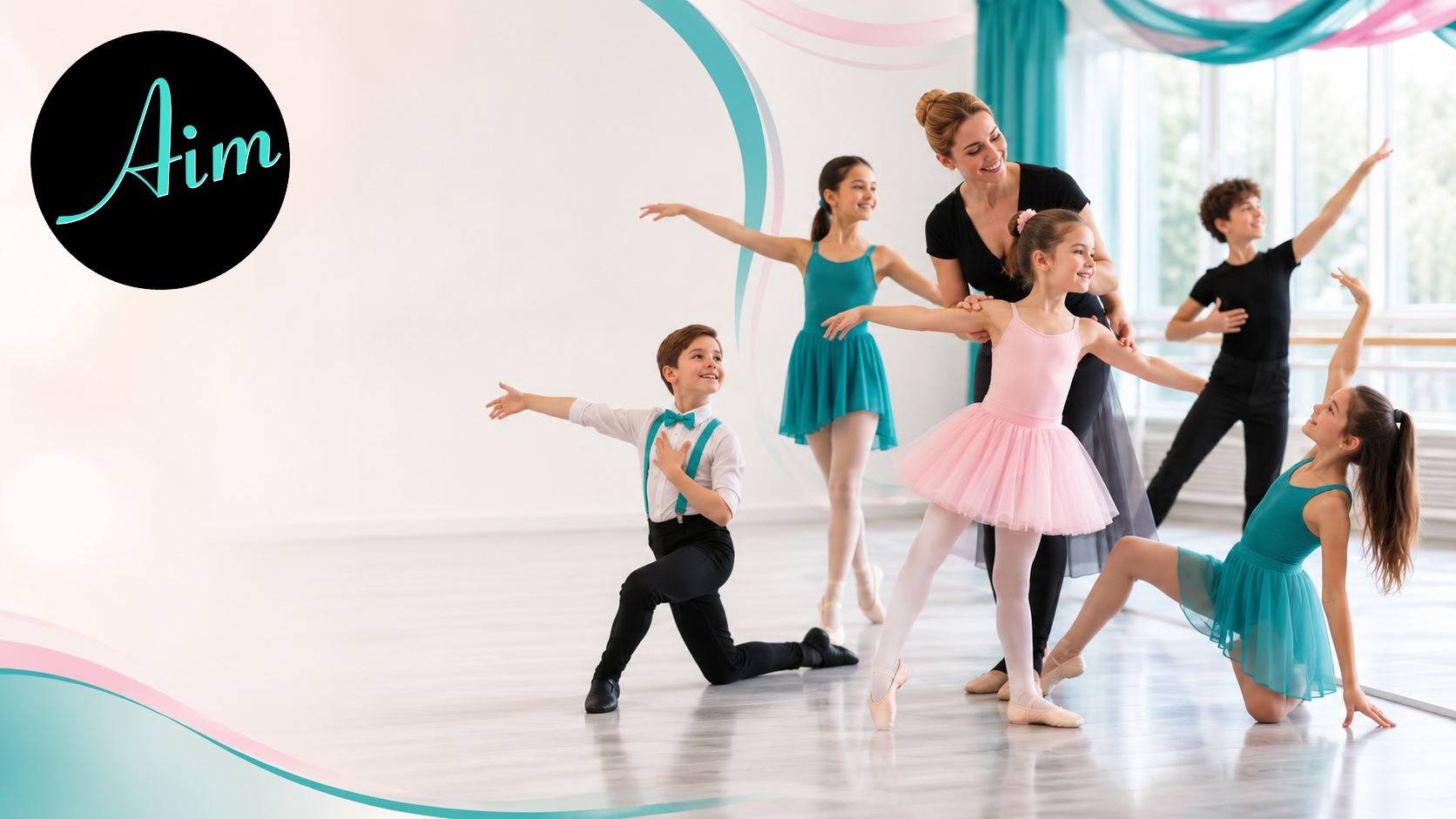
Students at AIM train across a full range of styles, with classes structured by age and ability so every child works at the right level.
Styles taught include:
- Ballet — classical technique, ISTD syllabus, progressive from beginner to advanced
- Tap — rhythm, coordination, and performance
- Modern — expressive and energetic contemporary styles
- Acro — strength, flexibility, and acrobatic skill through the Acrobatic Arts syllabus
- Street and Commercial — current styles, performance confidence, and creative expression
- PBT (Progressing Ballet Technique) — core strength and body awareness to support all styles
- Adult classes — open to complete beginners and returning dancers
Classes run from 18 months through to adults, so siblings can often attend the same sessions, and children can grow with the school over many years.
Teaching Standards
AIM’s teachers are ISTD qualified, which means they follow a recognised professional syllabus with clear progression routes. Students can work towards formal examinations, take part in showcases and performances, and develop the kind of technical foundation that supports further training if they choose to pursue it.
For most children, the goal isn’t a professional stage career — it’s confidence, creativity, and a genuine love of dance. AIM’s teaching environment is built around that.
Who It’s For
AIM is well suited to families in Aylesham, Canterbury, Dover, and the surrounding Kent villages looking for:
- A professional, qualified teaching team
- A welcoming environment with no pressure or intimidation
- Classes that suit complete beginners and experienced dancers alike
- A school with a strong local reputation and genuine community feel
- Performance opportunities that build confidence over time
No prior experience is needed to join. Most children start as complete beginners and progress at their own pace.
Frequently Asked Questions
Dance School FAQs
Helpful answers for parents looking for children’s dance classes in Kent, including ages, styles, teacher qualifications, trials, timetables and pricing.
What age can children start dance classes?
At Artists in Motion, classes begin from 18 months with parent and toddler sessions. Pre-school classes start from age 3, and children can progress through structured age groups all the way to adult level.
Do children need prior experience to join?
No. The majority of children who join AIM start as complete beginners. Classes are grouped by age and ability, so every child works at the right level from their very first session.
What qualifications should I look for in a dance teacher?
Look for teachers qualified through a recognised examining body such as the ISTD, Imperial Society of Teachers of Dancing, or RAD, Royal Academy of Dance. AIM’s teaching team hold ISTD qualifications, which means structured syllabi, clear progression and professional teaching standards.
What is the difference between a vocational dance school and a part-time academy?
Vocational schools such as The Royal Ballet School offer full-time education alongside dance training, often from age 11. Part-time academies like AIM run weekly classes alongside normal school. For most children, a high-quality part-time academy provides everything they need, and many students go on to audition for vocational schools after training locally.
Are there dance schools in Kent for children?
Yes. Artists in Motion is based in Aylesham, Kent, with classes serving families across Canterbury, Dover and the wider area. The school offers a full range of styles for children from 18 months through to adults.
Can my child do a trial class before committing?
Yes. AIM offers trial classes so your child can experience the school before you make any commitment. It is the best way to see whether it is the right fit.
What styles of dance does AIM teach?
AIM teaches Ballet, Tap, Modern, Acro, Street and Commercial, PBT, and Musical Theatre. Adults are also welcome. Classes follow recognised syllabi including ISTD and Acrobatic Arts.
How do I find out about class times and pricing?
You can view the current timetable at artistsinmotion.co.uk/aim-timetable or visit the pricing page for full details. You are also welcome to contact the team directly with any questions.
Final Thoughts
England’s dance schools set a global standard for excellence. From the grand studios of The Royal Ballet School to the local energy of community academies, every level contributes to a thriving national dance culture.
For parents and students exploring options, the key is finding the right balance of quality, support, and enjoyment. Whether your child dreams of a professional stage career or simply wants to build confidence, England offers a pathway for every dancer.
Artists in Motion stands proudly within that tradition, providing the artistry, discipline, and joy that define great dance education.