
Introduction
Every so often you come across a question that sounds simple but has meaningful complexity: is walking or dancing the “better” form of exercise? On the face of it, both get your body moving, your heart rate up, and your mood lifted. But when you dig into the research, the answer depends a lot on who you are, what you want, and how you stick with it. In this article we’ll explore what science says, compare the two, and help you choose what works for you.

What we mean by “walking” and “dancing”
It’s important to define terms, because both activities have wide variation.
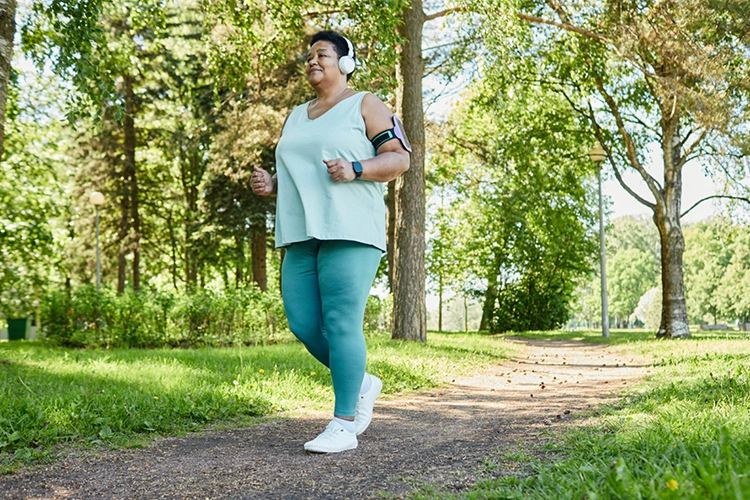
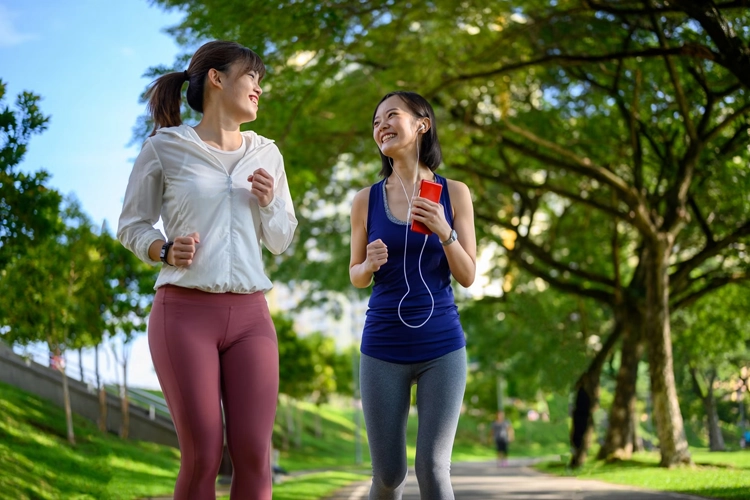
- Walking – For this comparison we’ll consider brisk-moderate walking (enough to elevate heart rate, maybe talk but not sing). It could be outdoors, on a treadmill, on incline, steady pace.
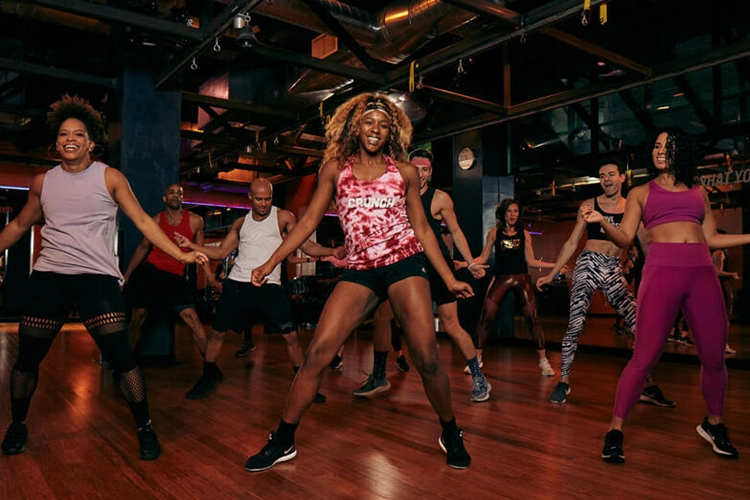
- Dancing – This covers structured dance (e.g., Zumba, aerobic dance), social dance, partner dance, free-style group classes. It involves rhythm, coordinated movement, often music and maybe choreography.
Both can overlap (e.g., walking to music), but for clarity we’ll keep walking simpler and dancing more dynamic.
Health benefits of walking
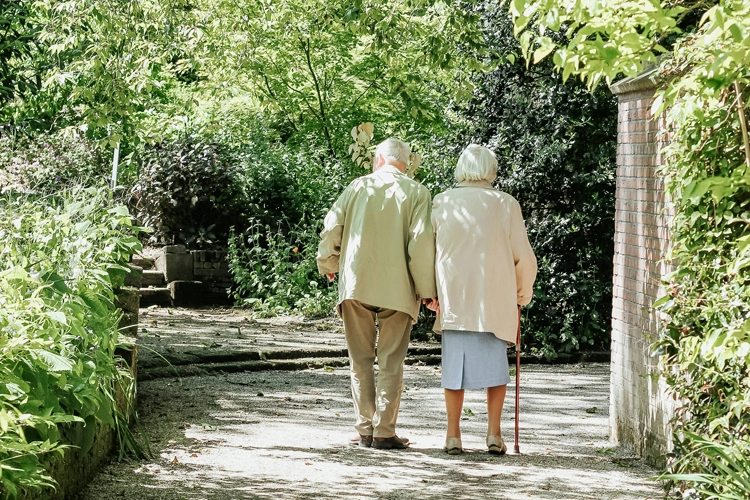
Walking is often underestimated but it carries very strong benefits, especially because it tends to be accessible, sustainable and safe.
Key findings
- A large body of research shows that moderate activity such as brisk walking reduces the risk of cardiovascular disease, supports healthy ageing, and improves mood.
Verywell Health - For example a review shows that even lower‐intensity physical activities are beneficial to health, although higher intensity leads to additional capacity gains.
PMC - Other work points to walking as a habit-forming, low-barrier exercise especially useful for older adults or those with limited mobility.
Why walking is particularly strong
- Low Risk & Low Equipment: Almost anyone can walk, with minimal gear, low injury risk.
- Habit Friendly: It can integrate into daily life (commute, errands, park walk).
- Baseline Essential: If you’re largely sedentary, walking offers major-leverage gains.
- Long-term Uptake: Because it’s simpler, you’re more likely to keep it up.
Things to note
- To get the stronger benefits you’ll need to walk at a pace and duration that raises heart rate—not just a casual stroll.
- Walking alone may not challenge you as much in terms of muscle strength, coordination or variety (unless you up the incline/pace).
- If weight loss or high-fitness gain are priority, walking needs to be sufficiently intense or long-duration.
Health benefits of dancing
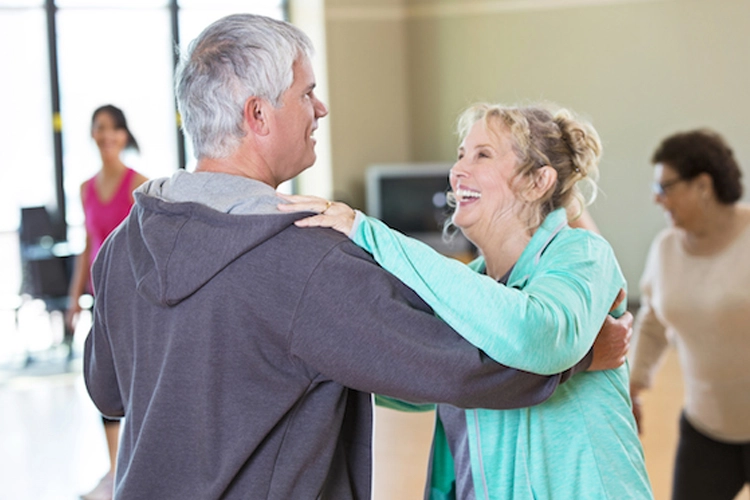
Dancing has some compelling advantages, especially beyond just the physical.
Key findings
- A meta-analysis of dance interventions found significant improvements in body mass, BMI, waist circumference, fat percentage in overweight/obese adults engaged in dance.
Medical News Today - Research comparing dance versus walking in older adults showed dance achieved similar increases in VO₂peak, lower-body muscle power and static balance as walking.
ScienceDirect - A structured review from University of Sydney found dance may be equal to or more effective than other forms of exercise (including walking) for psychological and cognitive outcomes (motivation, mood, memory) across ages.
The University of Sydney
Why dancing can outperform in certain ways
- Engages full body, often with greater variation of movement, direction changes, coordination.
- Social & musical element adds fun, motivation, adherence.
- Cognitive load (learning steps/choreography) adds brain-benefit layer.
- Because people enjoy it more, they may stick with it longer (which is half the battle).
- For weight loss or fat loss in some populations, dance appears as potent as “traditional” exercise, perhaps more so because of adherence and fun factor.
Things to note
- Some dance styles may be high impact or require skill; beginners or those with joint issues need modifications.
- Logistics: classes, music, space, may be more organising than putting on walking shoes.
- As always, enjoyment matters—if you hate the style of dance you choose, you’ll drop out.
- While dance shows strong psychological benefits, for pure cardiovascular capacity gains it may not always surpass a well-structured walking/fitness programme.


Walking vs Dancing, Side by Side
| Dimension | Walking | Dancing |
|---|---|---|
| Accessibility | Very high, minimal setup, can be done anywhere. | Moderate, may need a class, music, or space. |
| Intensity variability | Adjust pace or incline, steady overall. | Higher variation and full body movement. |
| Calories and fat loss | Good if brisk and sustained. | Often higher due to varied motion and energy demand. |
| Cognitive and psychological benefits | Improves mood and reduces stress. | Stronger cognitive benefits, memory, coordination, focus. |
| Adherence and enjoyment | High if you like routine and solo time. | Often higher with music, rhythm, and social connection. |
| Risk and injury level | Low impact, safe for most people and ages. | Varies by style and intensity, start gently if new. |
| Logistics and time | Easy to fit into daily routine, no planning. | Usually needs a set time, music, and suitable space. |
| Best for | Beginners, older adults, simple daily movement. | Dynamic workouts, creativity, social energy. |
Key take-away
- Walking wins on simplicity, habit formation, safety.
- Dancing wins on intensity, fun/enjoyment, cognitive & social benefit, especially if you can stick with it.
- The “better” choice depends on your goal, context, preferences and what you will actually do consistently.
Which activity suits you?
Let’s look at scenarios where one might be more appropriate than the other:
Choose walking if you:
- Are just starting out or returning from illness/injury.
- Prefer low-impact movement and want something you can do daily with minimal planning.
- Want to integrate exercise into daily routines (commute, lunch walk).
- Are older, or have joint/health limitations, and want safe steady progress.
- Value simplicity and sustainability over high intensity.
Choose dancing if you:
- Want a more dynamic, full-body workout with higher intensity.
- Enjoy music, movement, group/social exercise, choreography.
- Are aiming for fat loss, improved coordination/balance, and you’ll commit to classes or session times.
- Want cognitive/psychological benefits (learning movement, social connection).
- Have the joint health/fitness baseline to manage the movement demands (or choose low-impact dance style accordingly).
You could also combine both:
- Walk on some days (easy, active recovery).
- Take a dance class or session on others (higher intensity, fun).
- This mix gives variety, meets different needs (cardio, coordination, social) and reduces monotony.
Practical tips for starting and sticking with it
Walking – tips to maximise benefit
- Aim for brisk pace: you should feel warmer, heart rate raised, maybe able to speak but not sing.
- Try to build 150 minutes/week as a baseline (or split into shorter sessions).
- Use incline or vary terrain to increase intensity.
- Incorporate into daily life: walk to work, use stairs, make it social.
- Track steps or time, set realistic progress targets.
- Listen to body: if joint pain emerges, reduce pace/volume or add strength/stretch.
Dancing – tips to start well
- Choose a style you like (Zumba, cardio dance, ballroom, social dance) so you’ll enjoy yourself.
- Start at beginner level and ensure form is safe.
- Attend classes or follow guided videos at home; social setting helps adherence.
- Aim for consistent sessions (e.g., 2-3 times per week) rather than sporadic.
- Use proper shoes/flooring and warm up/cool down to reduce injury risk.
- If you have joint issues or mobility limits, pick low-impact dance styles or adapt moves.
General adherence hacks
- Pick times you’ll actually do it (calendar block it).
- Combine social/group element to make it fun and accountable.
- Note your “why” (health, mood, body shape) and remind yourself.
- Monitor progress (steps, sessions, mood, fitness changes).
- Allow for rest/recovery so you don’t burn out.
Safety & modifying for your level
- Check with a healthcare provider if you have cardiovascular, joint, or mobility issues before starting a new regimen.
- For walking: choose good shoes, smooth surfaces, start slower if unfit, increase gradually.
- For dancing: ensure floor is safe, warm up properly, avoid over-straining early, choose style suited for your body.
- Remember: consistency beats extremes. A moderate pace you sustain is better than a high-intensity burst you abandon.
Considerations and caveats
- Research is not always directly comparative between walking vs dancing in every population — context matters. For example, one study found walking had stronger effects for cognition in older adults in some cases.
The Ladders - The quality of the session matters (intensity, adherence, supervision).
- If your goal is very high fitness (e.g., elite cardio/muscle gain), you may need supplementing beyond walking or dancing.
- Enjoyment and habit formation are often more important than picking the “optimal” exercise in theory. The best exercise is the one you do.
- For weight loss, exercise often needs coupling with diet, strength training, and volume. Dancing or walking alone won’t magically produce large losses unless volume/effort and diet are aligned.
- Many studies focus on specific groups (older adults, overweight adults) so generalising to all may be limited.
Conclusion: what I recommend
- So, what’s the verdict? My view is: choose the activity you’ll stick with, aim for consistency, and tailor it to your goals. If I were advising you:
- If you’re just getting moving or want something sustainable and easy to fit in → start with walking, ramp up gradually.
- If you enjoy movement, music, social interaction and want more intensity and variety → incorporate dancing, or make it your main regimen.
- Ideally, blend them: walking some days, dancing other days for variety and full-spectrum benefit.
- Focus less on “which is better” in theory and more on “which will I do for the long-term”.
You’ll gain health, mood, brain and social benefits either way, the difference is the ease and enjoyment that make you keep going.