
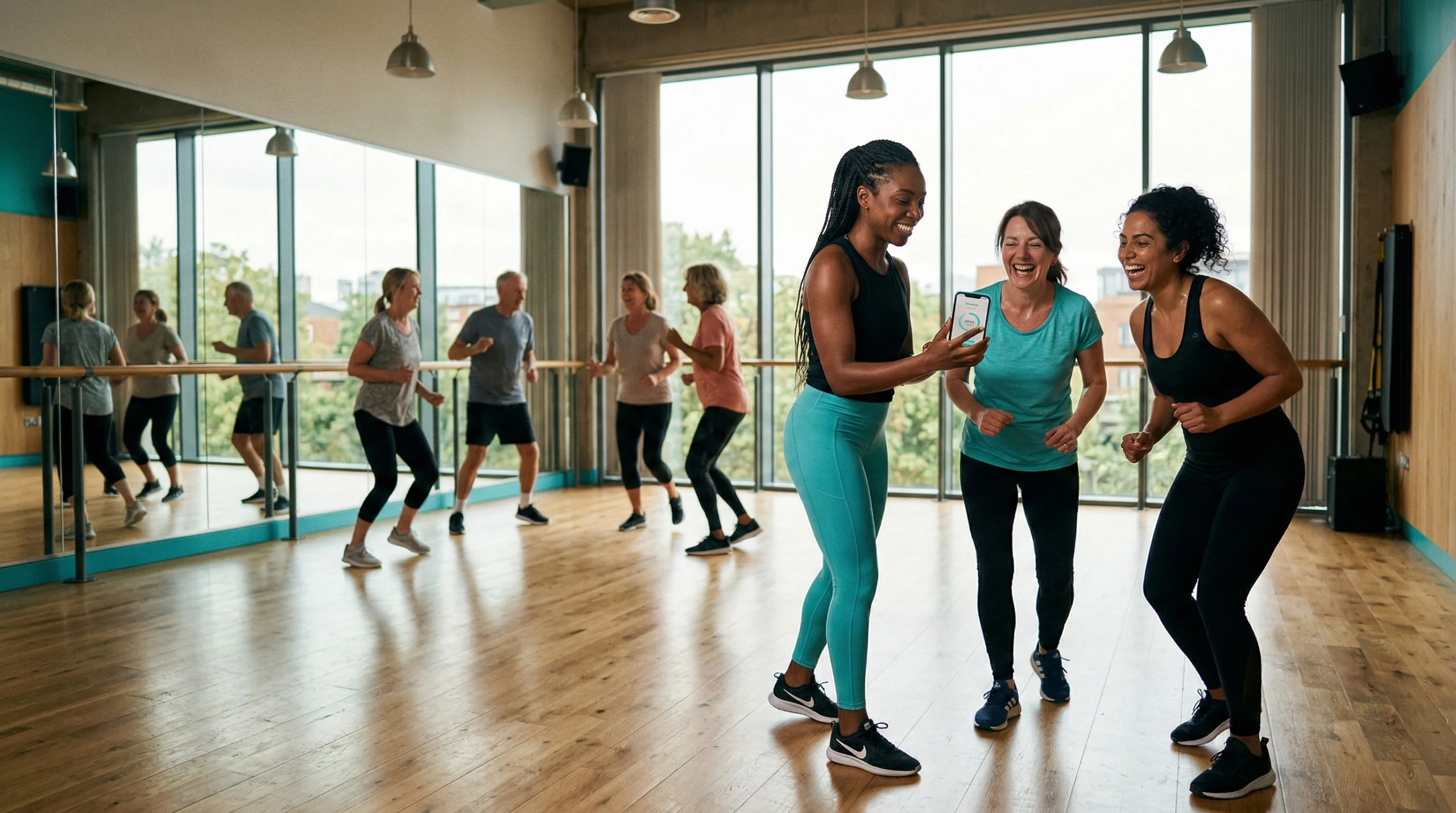
The Global Evolution of Rhythmic Movement
Dance has shifted from “something you do” to “how you stay well”, because it blends calorie burn, strength, coordination, emotion, and community in a way most workouts do not.
What is actually changing, and why it matters
The modern fitness world is moving away from punishment workouts and towards joyful movement. The reason is simple, sustainability. If you enjoy it, you repeat it, if you repeat it, you improve.
Dance is naturally interval based and multi directional, it pulls in more muscle groups, more coordination, and more focus than steady state cardio. That combo can increase overall energy expenditure while making the session feel less like a chore.
The physiological mechanics of dance as a weight loss modality
Unlike jogging or cycling, dance moves through sagittal, frontal, and transverse planes. It mixes power, balance, rhythm, and control, which can push intensity up without feeling repetitive.
Comparative metabolic analysis of dance styles
The table below summarises the spread of intensity and focus across popular styles. Your “best” option is the one you will actually stick with.
| Dance discipline | Intensity level | Calorie burn (30 min) | Calorie burn (60 min) | Primary physiological focus |
|---|---|---|---|---|
| Street, Commercial | Vigorous, explosive | Anaerobic power, stamina | ||
| Hip Hop | High impact | Agility, coordination | ||
| Contemporary | Moderate to vigorous | Core stability, floor work | ||
| Acro dance | High resistance | Strength, risk tolerance | ||
| Ballet (class, barre) | Moderate, controlled | Posture, isometric strength | ||
| Tap | Moderate, rhythmic | Leg endurance, balance | ||
| Zumba, fitness | High interval | Cardiovascular capacity | ||
| Salsa, Latin | Moderate, fast paced | Hip mobility, core engagement |
The practical takeaway is variety. High impact styles drive immediate calorie burn. Controlled styles build lean strength and posture, which improves long term training quality.
Emotion as motion, the psychology that keeps people consistent
Dance is not just exercise, it is expression. That matters because stress and anxiety can sabotage consistency and recovery.
Neurochemical foundations of joyful movement
Dopamine supports motivation and “I want to do that again” behaviour.
Endorphins reduce perceived effort, you push harder without feeling crushed.
Oxytocin supports bonding, group movement can feel safe and uplifting.
Polyvagal theory and somatic regulation
Rhythmic, predictable movement can help the nervous system settle. When the body feels safer, it tends to recover better, train better, and stay consistent.
A local option that beats “going it alone”, Artists in Motion (AIM)
Apps are brilliant for convenience. A studio adds coaching, safety, and community, which is exactly where many people fall short when exercising at home.
| AIM age group | Focus area | Developmental, fitness outcome |
|---|---|---|
| Parent plus tot (18m to 3y) | Intro to movement | Coordination, early bonding |
| Preschool (3 to 4y) | Creative expression | Confidence, motor skills |
| Minis (4 to 6y) | Skills acquisition | Discipline, fun |
| Juniors (7 to 10y) | Technical foundations | Technique, social skills |
| Seniors (11 to 13y) | Creative break | Stress relief, peer bonding |
| Inters (14 to 18y) | High level training | UCAS points, professional prep |
| Adults (18y plus) | Active lifestyle | Weight loss, self care, community |
Adult fitness and weight loss programming
Want the “best of both”, apps plus local classes
Use an app at home for consistency, then add a coached class weekly for technique, motivation, and community.
Top dance workout apps for 2026, what they do well
The app market is now built around AI feedback, habit formation, and gamification. Great for daily movement, as long as form and safety stay front of mind.
STEEZY Studio, technical learning
Multi angle viewing, mirroring, looping, and increasingly smart camera based feedback. Strong for choreography learning and skill progression.
Just Dance Now, pure fun and effort
Gamified sessions make effort feel “invisible”, people push harder because they are playing, not training.
| Feature | Just Dance Now (2026) specs |
|---|---|
| Song catalogue | 450 plus tracks |
| Controller | Smartphone, gyroscope tracking |
| Workout mode | Calorie tracking and session history |
| Social tech | Unlimited players in one dance room |
| Pricing | Subscription tiers |
The hybrid model, the strongest approach
The most effective strategy is a mix of app convenience and studio coaching. Apps give you daily structure, studios give you technique, accountability, and a supportive anchor.
| 2026 digital trend | Mechanism | Health, weight loss benefit |
|---|---|---|
| Hyper personalisation | AI analysis of biometric data | Optimises recovery and training intensity |
| Virtual coaching | Real time motion feedback | Improves safety and technical progress |
| Gamified challenges | Rewards and streaks | Boosts consistency |
| Hybrid integration | Studio to app syncing | Seamless tracking across environments |
A simple weekly routine people can actually stick to
- MJust Dance Now, quick cardio burst to start the week.
- TSTEEZY fundamentals, technique, timing, coordination.
- WActive recovery, gentle mobility, stretching.
- TLocal coached class, Adult Ballet for core and posture, or Street for energy and confidence.
- FLocal coached class, Adult Tap for rhythmic cardio and brain training.
- SSocial session, family dance, or a short challenge workout.
- SReview your week, consistency beats perfection.
Conclusion, dance is the “sticky” fitness habit
In 2026 the evidence is clear in practice, the people who keep moving are the ones who enjoy the movement. Dance blends metabolic demand, brain reward, and social connection into one routine.