
The Ultimate Parent's Guide to Dance Exams: Tips for Nerves, Preparation, and Success
Are dance exam nerves taking over your household? At Artists in Motion, we believe that exams are a fantastic way to build confidence, but the preparation starts long before the music begins.
Whether your child is preparing for their first Primary Ballet exam, a Grade 3 Modern assessment, or a senior vocational exam, the shift from weekly class to exam conditions can be daunting. The atmosphere changes, the uniforms must be pristine, and the expectations rise.
As a parent, you are the "Performance Psychologist." This deep-dive guide will show you exactly how to help your child prepare for a dance exam, ensuring they enter the room with the best possible mindset.
Phase 1: Exam Preparation (2 Weeks Before)
The "best frame of mind" isn't achieved on the morning of the exam; it is built in the weeks leading up to it. Here is how to reduce stress early.
1. Cultivate a "Growth Mindset" for Dancers
Psychologist Carol Dweck’s research on Growth Mindset is essential for young performers. When discussing the upcoming exam, praise the process and the hard work, not just the natural talent.
- Avoid saying: "You’re a natural star, you don’t need to worry." (This can increase fear of making mistakes).
- Instead say: "I can see how much effort you’ve put into fixing your timing. That discipline is going to really help you on exam day."
2. The Dance Uniform Check (Avoid Morning Panic)
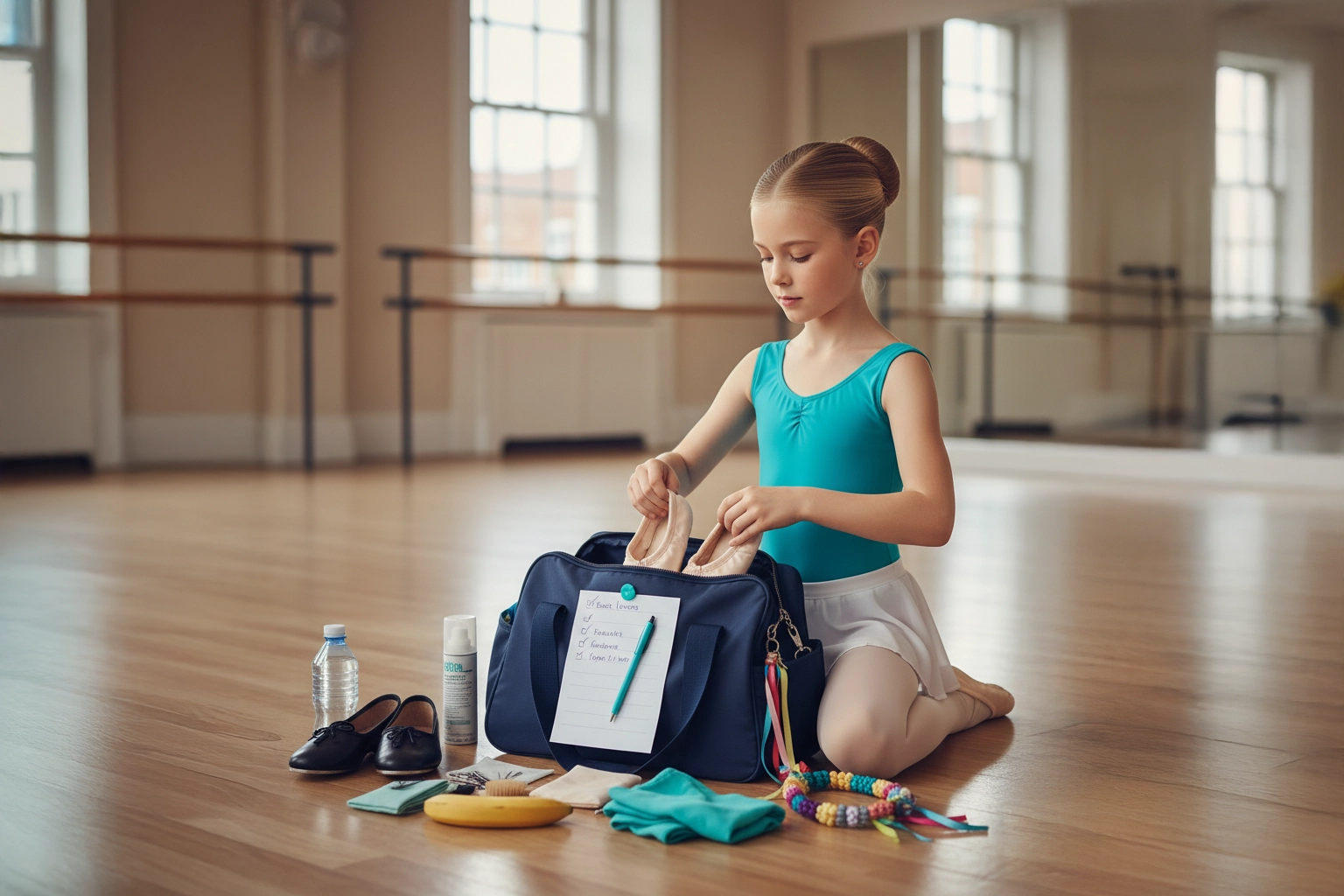
Nothing spikes cortisol levels like a missing tap shoe or a ladder in tights on the big day. Two weeks prior, do a full dress rehearsal at home.
- Uniform Inspection: Check leotards for fit. Buy a spare pair of ballet tights (or socks). In fact, buy two.
- Dance Shoes: Are the ribbons sewn securely? are tap screws loose? Clean shoes with a damp cloth.
- Comfort Check: Ensure undergarments fit comfortably so your child isn’t distracted by adjusting them mid-dance.
If your child is using a prop (like a doll or garland), label it clearly. Props often get lost in busy changing rooms!
Phase 2: Managing Exam Nerves (1 Week Before)
By this stage, the physical work is done. Your child knows the steps. Now, your job is managing performance anxiety.
1. Visualization Techniques for Kids
Top athletes use visualization to prime their brains. Encourage your child to sit quietly, close their eyes, and "watch" themselves completing the exam perfectly.
- Ask them to imagine walking into the studio with confidence.
- Ask them to imagine the joy of the music and landing that final pose.
2. The "No-Correction" Zone
This is the hardest rule for dance parents! Stop correcting their technique. In the final week, corrections are for the teachers. If a parent says, "Straighten your knees," the child enters the exam room thinking about what they are doing wrong. We want them thinking about the performance.
Phase 3: The Big Day (Morning Routine)
Your goal for the day is simple: Low Stress, High Spirit.
1. Best Breakfast for Dancers
Nerves often kill appetite, but a dancer needs fuel. Avoid high-sugar cereals that lead to an energy crash.
- Go for: Slow-release energy like porridge, bananas (rich in potassium for muscles), or toast with peanut butter.
- Hydration: Water is best. Avoid fizzy drinks which can cause bloating.
2. The Hair and Grooming Ritual
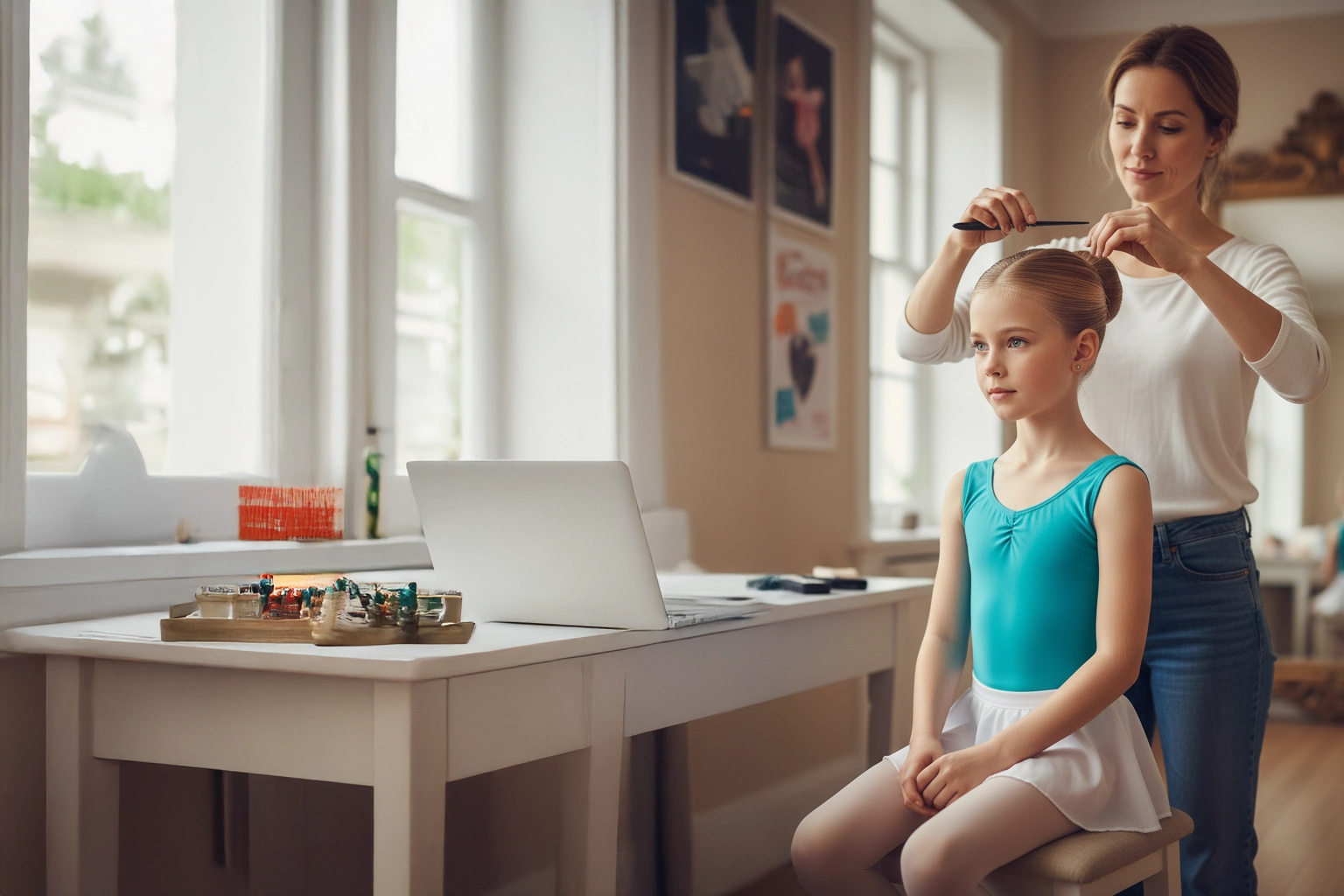
Do the hair at home. Attempting a perfect ballet bun in a moving car is a recipe for tears.
The Toothbrush Trick: Spray strong-hold hairspray onto an old toothbrush to smooth down flyaways at the hairline. It gives a sleek, professional finish without the "helmet" look.
3. Arrival Timing
- Too late: Panic mode.
- Too early: Your child absorbs the nervous energy of other students.
- The Sweet Spot: Arrive 30 to 45 minutes before the scheduled time—enough to change and warm up calmly.
Phase 4: Backstage Support
This is the moment of separation. Your energy here dictates their performance state.
Be the "Calm Anchor"
Your child will mirror your emotions. If you look worried, they will be terrified. If you look calm, they will feel safe.
- Keep it Quiet: Respect the silence required for exams.
- What to Say: Avoid saying "Good luck" (which implies chance). Instead say: "Go and show them what you can do. Enjoy the music. I am so proud of you."
Phase 5: Post-Exam Recovery
When they walk out, they are emotionally vulnerable. They might feel elated, or they might obsess over a small slip-up.
Validate, don't interrogate. Don't ask, "Did you remember to point your feet?"
Celebrate the Achievement. A post-exam tradition (ice cream or a movie) reinforces that the experience is what matters, regardless of the certificate mark.
Quick Reference: Dance Exam Parent Checklist
| Timeline | Action Item |
|---|---|
| 2 Weeks Prior | Check uniform, buy spare tights, label props. |
| 1 Week Prior | Stop corrections. Focus on sleep and positive visualization. |
| Day Before | Pack bag (hair pins, spray, water, spare socks/tights). |
| Exam Morning | Slow-release carb breakfast. Hair done at home. |
| Arrival | Arrive 30-45 mins early. Hand over with a smile. |
At Artists in Motion, we know that an exam is just one moment in a lifetime of movement. It’s a snapshot of where they are today.
Looking for extra support? Speak to your teacher at your next regular class about arranging a mock exam.